

ORFEAS ORGANIZATION





e-magazine - News
27th September 2023

August may be the month of goodbyes, but September is the time to welcome new volunteers! This month we welcomed Jan, from Germany, who will work […]
27th September 2023

August marks the end of summer and, sadly, the end of the journey for many of our volunteers. In the end of July and August we […]
26th September 2023
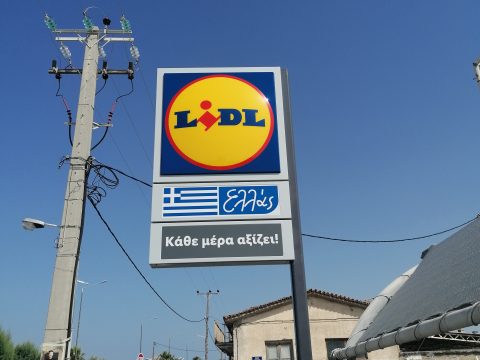
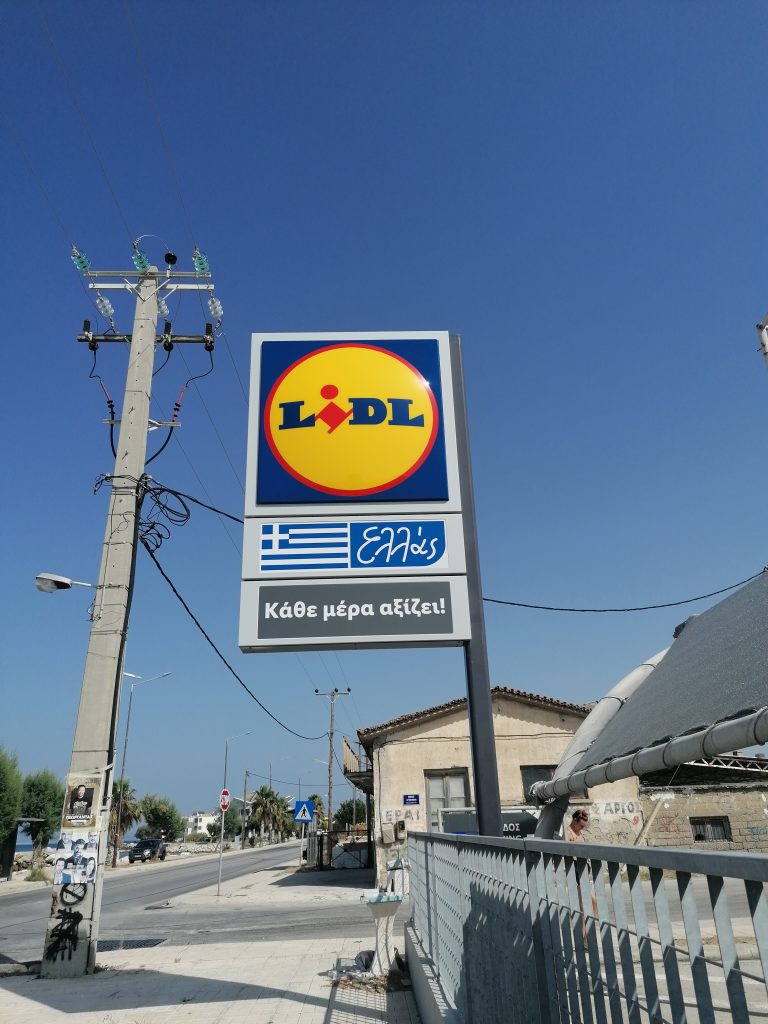
If you think our volunteers will not go to extreme lengths to go to some supermarkets, such as Lidl, we are sorry to tell you, but […]
30th June 2023
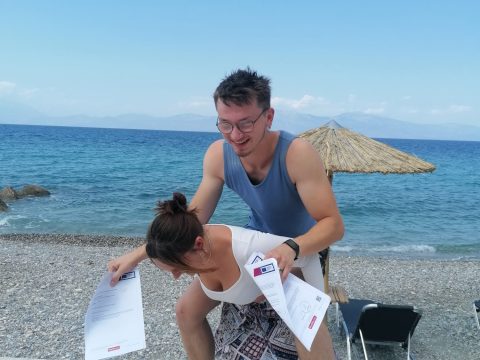
Leo (18yrs old, from Germany) and I (Aida, 19yrs old, from Ireland) arrived in October in Xylokastro and are now at the end of our journey […]
23rd June 2023

Our new office volunteer from Portugal is a breath of fresh air. Beatriz is full of new and exciting initiatives. To begin with she has changed […]
23rd June 2023
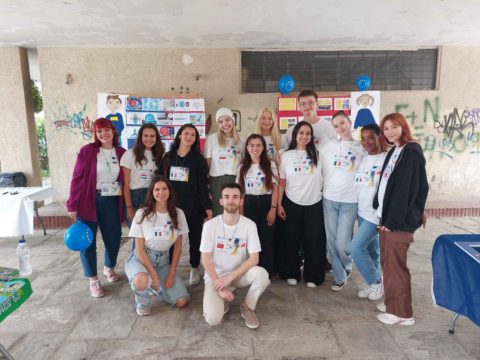

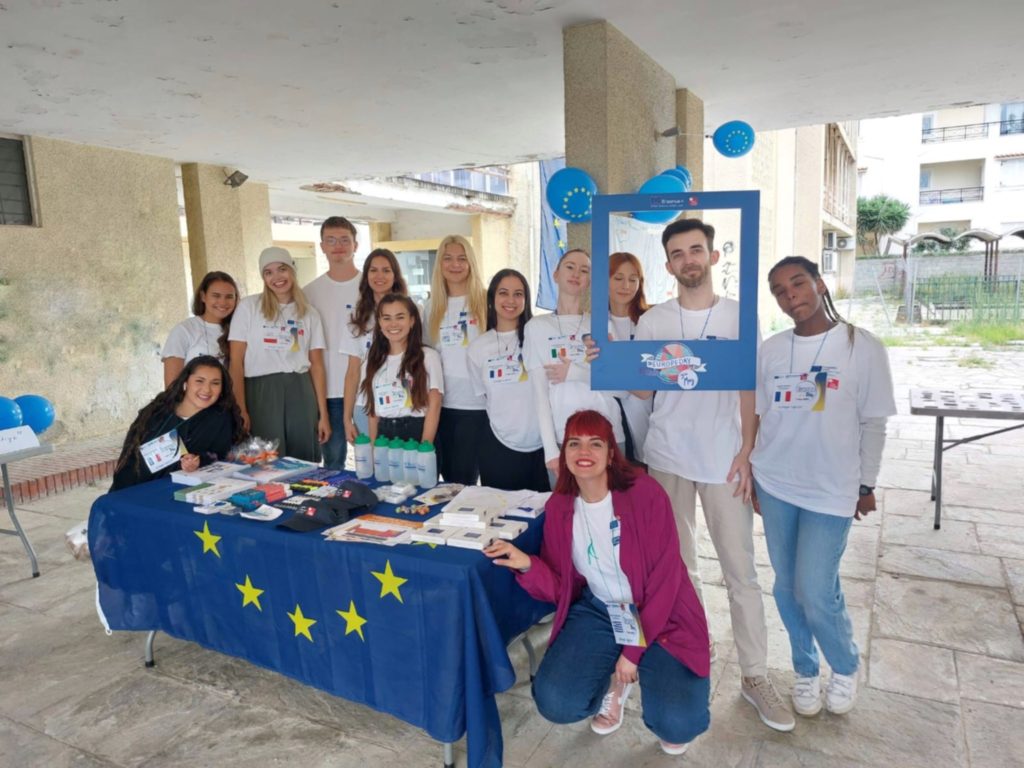
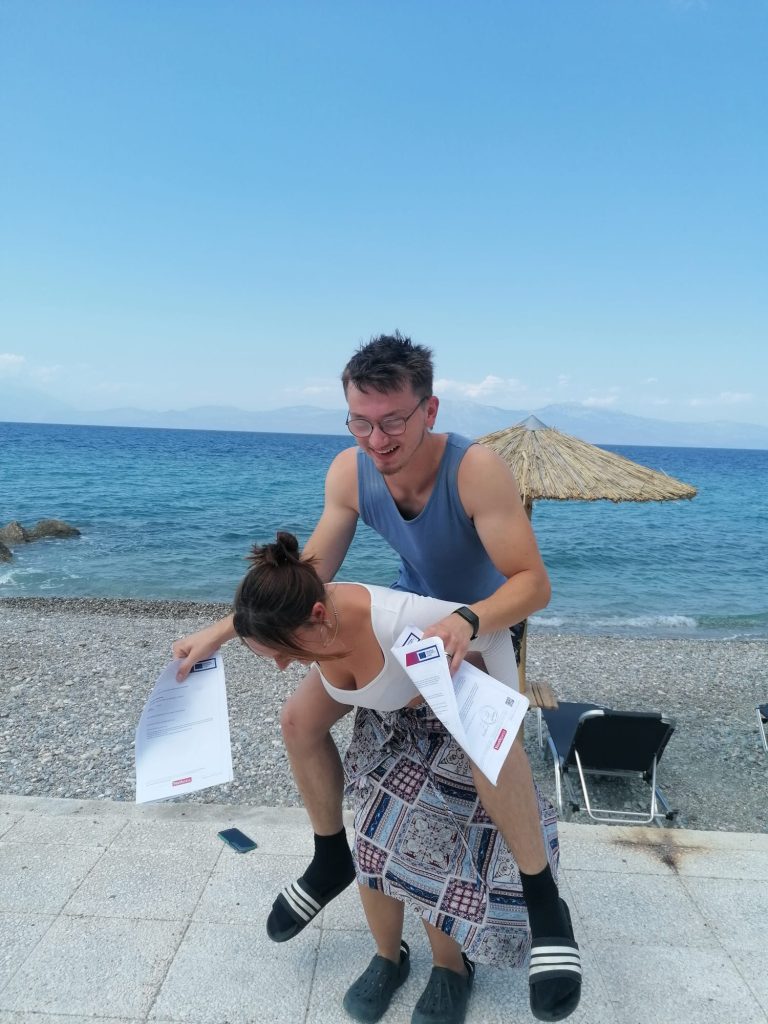
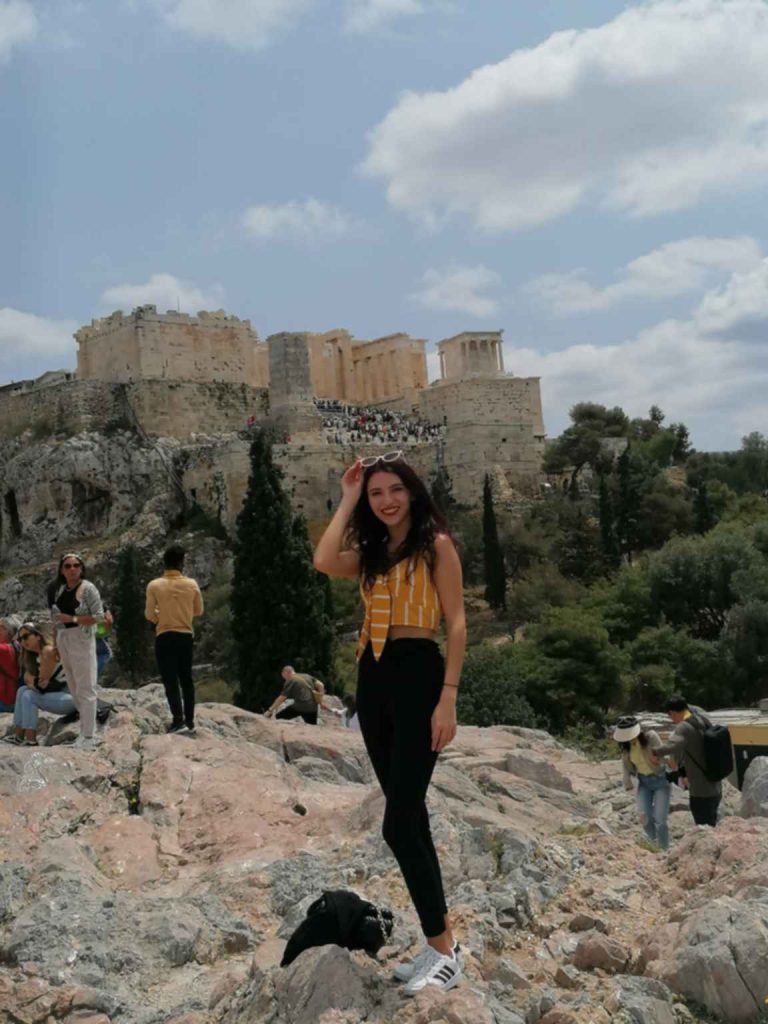
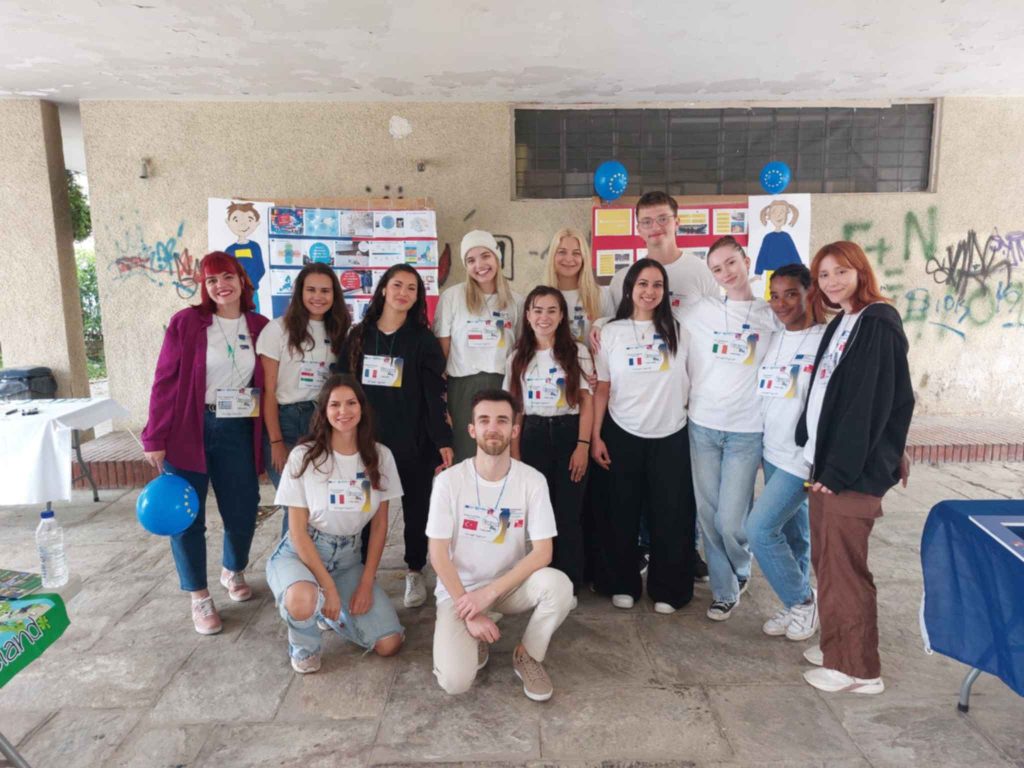
As the new set of short-term volunteers arrived in May, they got stuck into work immediately. They all enthusiastically took part in our Europe Day on […]